



새로운소식
학과의 최신 소식과 활동을 전해드립니다.
Alcatel-Lucent Bell Labs 김종훈 사장 특강
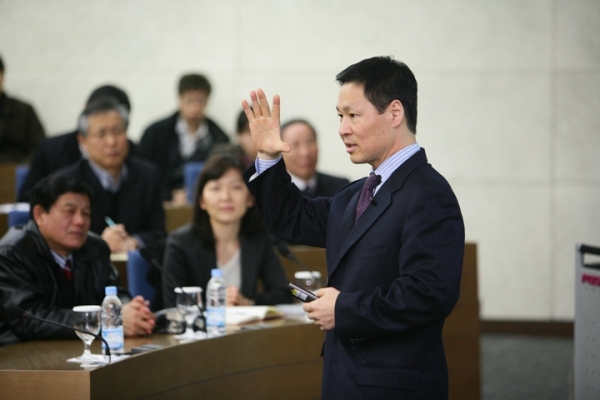
Alcatel-Lucent Bell Labs 김종훈 사장 특강
– 일시 : 2010. 2. 17(수), 10:00~11:30
– 장소 : POSCO국제관 1층 대회의실
– 주제 : “From Knowledge to Innovation”
– 주관 : 포항공과대학교, BK21미래정보기술사업단
•자랑스런 포스테키안 상 교육 부문 조준호 교수 수상
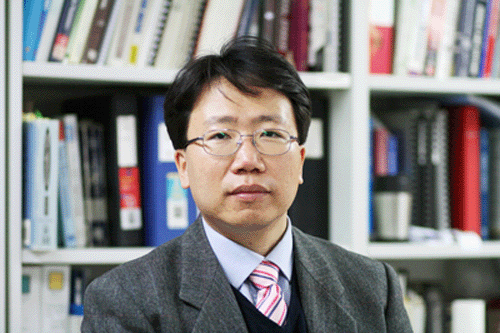
•자랑스런 포스테키안 상 교육 부문
-조준호 교수 수상
임기홍 교수 연구팀 한국통신학회서 수상
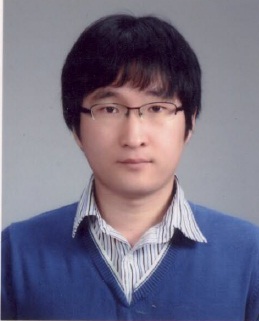
포스텍 전자전기공학과 임기홍 교수 연구팀이 최근 개최된 한국통신학회 추계학술대회에서 우수논문상을 수상했다.
임기홍 교수 연구팀은 이 학술대회에서 차세대 이동통신 방식으로 연구가 진행되고 있는 다중반송파 통신방식인 OFDM을 위한 협업통신 채널의 추정방법을 제안한 연구 논문(“Low-Complexity Iterative Channel Estimation for OFDM over Amplify-and-Forward Relaying Channels”, 송문근, 윤태원, 김동식, 임기홍)을 발표해 주목을 끌었다. 이 연구 성과는 스마트폰 등 휴대단말기의 모바일 인터넷 환경의 신뢰도와 서비스 영역을 획기적으로 개선한 것으로 평가받았다.
임 교수 연구팀은 이러한 연구 성과를 인정받아 이번 학술대회에서 발표된 500여 편의 논문 중3 편에만 수여되는 우수논문상을 받았다. -사진:제1저자-송문근
2010 대학원 신입생 오리엔테이션 및 MT

2010 대학원 신입생 오리엔테이션 및 MT
1. 일 시 : 2010. 2. 4(목) ~ 2. 5(금) ,1박 2일
2. 장 소 : 경주 드림센터
3. 참석대상자 : 76명 (신입생 58명, ITCE 신입생 7명, 재학생 5명,교수1명,직원5명)
|
구분 |
시 간 |
내 용 |
|
2월 4일 (1일차) |
13:00~13:30 (30′) |
LG동 앞 집결 |
|
13:30~14:00 (30′) |
LG동 출발 ~ 경주 삼릉주차장 |
|
|
14:00~16:00 (120′) |
산 행 (경주 금오산) |
|
|
16:00~17:00 (60′) |
드림센터 이동 및 Check-in |
|
|
17:00~17:10 (10′) |
환영사(대학원주무교수) |
|
|
17:10~18:10 (60′) |
자기소개 시간 |
|
|
18:10~19:10 (60′) |
학사,연구,구매,BK,안전관리 설명회 |
|
|
19:10~20:30 (80′) |
뷔페식사 및 휴식 |
|
|
20:30~21:00 (30′) |
대학소개, 전자과 그룹 및 랩 소개 |
|
|
21:00~22:00 (60′) |
퀴즈, 레크레이션 |
|
|
22:30~23:00 (60′) |
그룹별 친목 활동 |
|
|
23:00 ~ |
취 침 |
|
|
2월 5일 (2일차) |
~ 08:00 |
기 상 |
|
08:00~09:00 (60′) |
조 식 |
|
|
09:00~10:30 (90‘) |
친선 교류회 |
|
|
10:30~11:00 (30′) |
경주 출발 ~ LG동 도착, 해산 |
설계과제 우수상, Best TA 우수상, 박사학위 우수논문상 시상
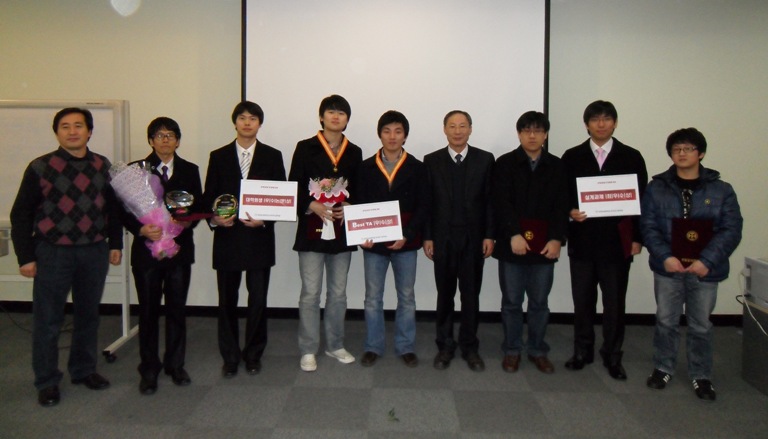
설계과제 우수상, Best TA 우수상, 박사학위 우수논문상 시상
1. 시상 일시 : 2010. 2. 17(수) 오후 4시 30분 ~
2. 장 소 : LG동 108호 교수 회의실
3. 시상내용
가. 설계과제 최우수상 (상장 + 상금 30만원) – 김규환, 현병조, 김원석, 최승탁
나. Best TA 우수상 (상장 + 메달) – 김태훈(디지털시스템설계), 이용희(전자장)
다. 박사학위 우수논문상(상장 + 상패) – 윤태원, 한윤경
설계과제 우수상, Best TA 우수상, 박사학위 우수논문상 시상 앨범 보기 클릭
권오현 장학금 신청 안내
삼성전자 반도체 권오현 사장님께서 포항공대 발전을 위해 전자전기공학과에 기탁하신 기금으로
“권오현 장학생” 을 다음과 같이 선정하고자 하오니 많은 신청바랍니다.
1. 선정 대상 : 성적이 우수하고 가정 형편이 어려우며, 장래가 촉망되는 전자전기공학과
학부 3학년 진입생
2. 신규 선정 인원 : 2 명 (매학기당 250만원씩 1년간 지원)
3. 선정 방법 : 지원신청서에 의한 종합평가
4. 신청 마감 및 접수 : 2010. 3. 12 (금) 18:00까지 접수
* 학기 초 선정 발표 예정
5. 신청 서류 : ” 첨부 참조 ”
6. 접 수 처 : 전자전기공학과사무실, 최주애 (T. 3818)
* 첨부 : 1. 지원신청서 1부
2. 성적증명서 1부 (2학년 2학기 성적까지 나타나야 함.)
정윤하 연구부총장 Nano Science Works 인터뷰 게재내용
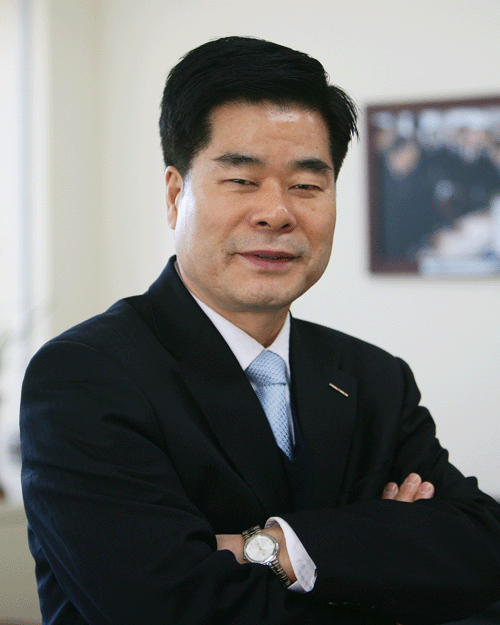
영국 학술전문 출판사 Taylor & Francis Group에서 운영하고 있는 비영리 나노기술 전문 포털 ‘Nano Science Works(http://www.nanoscienceworks.org/)’에 우리 대학 정윤하 연구부총장님의 인터뷰가 게재되었습니다.
이 기사는 포항나노기술집적센터(NCNT)의 비약적인 발전과 나노기술 연구에 대한 우리 대학의 노력에 대한 내용으로, 구성원 여러분의 많은 관심 부탁드립니다.
*관련 기사 링크 : http://www.nanoscienceworks.org/articles/korea2019s-postech-explores-nanotechnology-frontiers
Korea’s POSTECH Explores Nanotechnology Frontiers
Just over two years after the establishment of one of Korea’s most noted nanotechnology education and research center, the National Center for Nanomaterials and Technology (NCNT) at POSTECH or Pohang University of Science and Technology, NanoScienceWorks.org is pleased to feature an interview with Prof Yoon-Ha Jeong, visionary founder of NCNT and VP of Research at POSTECH.
***************************************************
Korea’s POSTECH: Exploring the Frontiers of Nanotechnology
An NanoScineceWorks.org Interview with Prof. Yoon-Ha Jeong,
founder of POSTECH’s National Center for Nanomaterials Technology (NCNT)
**********************************************************
On May 30, 2007, Pohang University of Science and Technology, one of the major schools in Korea, celebrated the opening of its new institute, National Center for Nanomaterials and Technology (NCNT), with Roh Moo-hyun, the President of Korea, among the distinguished guests.
Since that time, NCNT has distinguished itself as a world leading nanoscience center, with a focus on: development of next generation nanomaterials, innovative research and analytical techniques with a focus on multi-discipline nanoscience, a commitment to nurture venture companies and to create new businesses.
The NCNT has also contributed greatly to accelerating the advancement of Korean high technology training and education techniques, and participated in a number of joint projects with Korean state-of-the-art institutes, researchers, and private corporations including POSCO, the nation’s leading steel manufacturer .
NanoScienceWorks.org is pleased to feature an interview with Prof. Yoon-Ha Jeong, the founder of NCNT and VP of Research, POSTECH. Then interviewer is Dr M. Meyyappan, one of NASA’s leading experts on nanotechnology and Chief Scientist for Exploration Technology at NASA Ames’ Center for Nanotechnology. Dr Meyyappan is also co-author of Inorganic Nanowires: Applications, Properties, and Characterization, published by Taylor and Francis.
Q: Briefly describe Korea’s POSTECH (Pohang University of Science and Technology), for our NanoScienceWorks.org readers?
Yoon-Ha Jeong: Pohang University of Science and Technology (POSTECH, http://www.postech.ac.kr) is located in Pohang in the southeastern part of S. Korea near Busan. It is a private university founded in 1986 by POSCO (www.posco.com), the second largest iron and steel company in the world today. We have about 3000 students (1300 undergraduate and 1700 graduate students) in various science and engineering programs.
In addition, POSTECH has several government and POSCO funded research centers including National Center for Nanomaterials Technology (NCNT, http://www.nano.or.kr), Pohang Accelerator Laboratory (PAL, http://pal.postech.ac.kr/), POSTECH Information Research Laboratories (PIRL, http://www.postech.ac.kr/pirl), Pohang Institute of Intelligent Robotics (PIRO, www.piro.re.kr), POSTECH BioTech Center (PBC, http://pbc.postech.ac.kr), Graduate Institute of Ferrous Technology (GIFT) and several others. We like to think of POSTECH as CALTECH of Korea. We are currently ranked 134th in the QS/The Times world university rankings. However, we are ranked 11th in the world in the # of citations/faculty category.
Q: Since it opened in May 2007, POSTECH’s National Center for Nanomaterials Technology (NCNT) has distinguished itself in many areas. Tell us about your NCNT and your latest nanotechnology research?
Yoon-Ha Jeong: Following the US NNI, the Korean Government started our own focused nanotechnology initiative which has been providing consistent research funding for individual and large group of investigators. We at POSTECH got funding from the Ministry of Knowledge Economy (MKE) to establish NCNT. This is a world class facility which has a full 8” wafer silicon fab line, all the facilities to process III-V devices, extensive characterization facilities and everything one would need to conduct nano R&D. We have faculty from various science and engineering departments as members of NCNT. We have a strong industrial participation with several small companies incubated from and residing at NCNT. We have about 106 industrial sponsors and collaborators including Samsung, LG and POSCO.
Sample projects include III-V power devices, organic light emitting diodes and thin film transistors for displays, growth and characterization of CNTs, nanowires and quantum dots, CNT electronics, Si nanowire devices, sensor development, and LIGA process based NEMS.
The major focus of Korean Nano community is exploring the early commercialization of nanotechnology based materials and devices, and that is why the government has supported establishing the NCNT at POSTECH. So, the prime goal of NCNT is supporting the industry for commercial products development from materials to preproduction. As for the academia, NCNT helps more with basic research and analysis in devices, materials and technologies such as displays, electronics, memory and others.
Q: POSTECH was recently recognition by World Class University (WCU) Program of the Korean Government for scholarship and research on convergence of nano, bio and information technologies. Tell us about your noteworthy approach?
Yoon-Ha Jeong: POSTECH was selected out of a stiff competition to start a WCU program on IT-Convergence Engineering (ITCE, http://itce.postech.ac.kr) and the first class of graduate students started in September 2009. The Principal Investigator of the Founding Team and Head of the new Division of ITCE is Professor James Won-Ki Hong. The ITCE consists of 14 POSTECH faculty members from the EE and Computer Science and Engineering Departments, in addition to 7 Distinguished visiting faculty members from USA, Canada, France and Germany. The focus is on convergence of IT-BT-NT with U-Health and U-environment as two main themes. The ‘U’ stands for ubiquitous. For this purpose, the combined expertise from the domestic and our visiting faculty includes nanomaterials, nano devices and sensors, autonomics, communication, networking, and bioinformatics.
The ITCE students get full scholarship, opportunity to be taught and supervised by distinguished, world-renowned scholars and access to outstanding world class experimental facilities. We are currently recruiting world top quality graduate students and post-doctoral fellows to join this exciting new program. Those interested should visit the ITCE website (http://itce.postech.ac.kr).
One of the first focused project is a Bio-FET (field effect transistor) as a biosensor using silicon nanowires. The first application is for hepatitis C since our bio colleagues have an aptamer based probe for this target. Eventually, different types of biosensors, chemical sensors, lab-on-a-chip analysis and integration with signal processing chip will feed into the U-Health network development.
The U-Health network is already getting setup. A team headed by Professor Nazim Agoulmine of University of Evry in Paris and Professor Jamal Deen of McMaster University is currently setting up such a networked home (we call it a SmartHome) for elderly. We are hoping that our nano sensors combined with their advances in networking, communication and autonomics would make our U-Health approach highly effective.
Beyond these, we have a program on nanowire based phase change random access memory (NW-PCRAM). My group, along with Professor Jeong-Soo Lee, takes care of the nano aspects of the ITCE. And we have the distinction of Dr. Meyya Meyyappan as our partner in all these efforts. We also have graphene electronics and THz electronics programs being initiated.
Q: You must be excited with all this attention from government official and other nano researchers. How do you feel your POSTECH programs might change the landscape for nano research and commercialization?
Yoon-Ha Jeong: Even though Korea is very strong in semiconductor industry, the reticle cost of 45nm process or below is beyond what university professors can manage. Since NCNT capabilities can define devices below 32nm with e-beam lithograpgy, it can provide cost effective nanoscale device processing. Monolayer or multiple atomic layers can be formed with atomic layer deposition process, and together with litho tools, new experimental devices can be realized. That is the reason many professors are excited about the potential and eagerly joined the facility as users.
PAL (Pohang Accelerator Laboratory) is located right next to NCNT. Various beam lines are available for analysis and creation of new materials. All these possibilities of infrastructure utilization and collaborative technology development motivate the industry and academia to get involved in our NCNT.
The expectation from the government and industry, and from our own university management is very high. As I mentioned earlier, we have as many as 106 companies sponsoring and/or collaborating in our research programs including every big Korean company. One recent success story I can tell you about involves development of ultrasmall power devices and a company located inside NCNT we have worked with on this, has become a major Korean exporter in this domain.
제19회 통신정보합동학술대회(JCCI2009) 우수논문상
제19회 통신정보합동학술대회(JCCI2009) 우수논문상
우리 학과 박사과정 윤여훈 씨(지도교수 조준호)가
오는 15일부터 17일까지 광주 무등호텔에서 개최하는
한국통신학회 주관 제19회 통신정보합동학술대회(JCCI2009)에서
학계 부문 우수 논문상을 수상한다.
윤 씨는 “고정된 MIMO 환경에서의 최적의 직교 오버레이 시스템 설계”란
제목의 논문에서 기존의 MIMO 시스템들이 주파수 자원을 선점하고 있는 경우에
기존 시스템들의 성능을 열화 시키지 않으면서 새로운 사용자를 추가할 수 있는
방법을 제시한 것이 높이 평가받아 이 상을 받게 됐다.
BK21 사업 2차년도 학술대회 수상자 시상
BK21 사업 2차년도 학술대회 수상자 시상
ㅇ 시상식 안내 – 일시 : 2008년 2월 21일(목), 13:30 – 장소 : LG연구동 10호
ㅇ 시상 내역
|
구분 |
수상 내역 |
성명(지도교수) |
심사 결과 |
|
국내학회 |
2007년 신재생에너지 학회 우수논문상 |
권정민(남광희) |
20만원 지급 |
|
국내학회 |
제28회 한국정보처리학회 추계학술발표대회 우수논문상 |
박용남(김종) |
20만원 지급 |
|
국내학회 |
2007년 페어차일드 반도체논문 공모전 대상 |
최우영(권봉환) |
30만원 지급 |
|
국내학회 |
2007년도 한국통신학회 추계종합학술발표회 우수논문상 |
권의근(임기홍) |
30만원 지급 |
|
국내학회 |
2007년 대한임베디드공학회 추계학술대회, 우수논문상 |
박우람(박찬익) |
20만원 지급 |
|
국내학회 |
2007년 대한임베디드공학회 추계학술대회, 우수논문상 |
김유나(김종) |
20만원 지급 |
|
국내학회 |
한국정보보호학회 “2007 동계종합학술대회”, 우수논문상 |
임정욱(김종) |
20만원 지급 |
|
국내학회 |
한국 HCI 2008 우수논문상 |
이성길(최승문) |
30만원 지급 |
|
국제학회 |
International Conference On Next-Generation Computing The 3rd best paper award |
한갑종(최승문) |
50만원 지급 |
|
국제학회 |
International Conference On Next-Generation Computing 2007 The Prize For Encouragement |
이우중(박찬익) |
40만원 지급 |
|
국제학회 |
The 2nd Joint Workshop on Information Security, Best Paper Award |
김유나(김종) |
50만원 지급 |
-시상식 사진 보기
*BK21 사업 2차년도 학술대회 수상자 시상식 사진보기 클릭
정홍 교수팀 발명특허대전 동상 수상
POSTECH 정홍 교수팀 발명특허대전 동상 수상
– 창업보육센터 입주 벤처기업 푸드사이언스는 은상 차지
포스텍(포항공과대학교·POSTECH) 전자전기공학과 정홍 교수가 ‘2008 대한민국 발명특허대전’에서 동상(한국무역협회장상)을 수상했다.
특허청이 주최하고 한국발명진흥회가 주관하는 대한민국 발명특허대전은 우수 발명과 신기술 발굴로 우수기술의 사업화를 촉진코자 매년 열리는 국내 최대의 발명 행사로서 서울 코엑스에서 11일부터 15일까지 열렸다.
정홍 교수 연구팀은 이 대회에 ‘3차원 입체영상 영상장치 개발 기술’을 출품하였다.
